Mexico World Cup 2026 Betting Guide: Host Nation Odds & xG Metrics
Bookmakers place Mexico at +8000 odds to win the 2026 World Cup, which translates to a 1.23% implied probability. For comparison, teams like Spain at +475 and France at +500 draw the bulk of outright market volume. The hosting status keeps Mexico relevant, but the numbers show they sit well outside the top tier of true title contenders.
IIn Group A, the team is a -110 favorite to finish first against their immediate regional opponents. Their odds to advance to the next round are set at -1000, meaning sportsbooks calculate a high probability of survival, leaving just a 10% nominal chance of an early group-stage exit. To discover how to bypass these heavily juiced lines and extract real value from Group A fixtures, make sure to read our curated World Cup 2026 betting recommendations.
How Javier Aguirre’s 56% Possession Metric Shapes the First-Half Goals Market
Javier Aguirre runs a disciplined 4-3-3 that regularly shifts into a 4-2-3-1 setup under defensive pressure. The team averaged 56% possession across 8 recent matches, but this possession is slow and horizontal rather than a tool for high-speed attacking overloads.
This deliberate tempo control shows up clearly in the first-half tracking data, where the team averages a low 0.6 goals scored. Defensively, they conceded only 0.2 goals during the first 45 minutes, making first-half underlines highly relevant for pre-match slips.
Is Relying on Raúl Jiménez’s 0.49 xG at Fulham a Realistic Approach for Scorer Props?
Raúl Jiménez leads the attack for the 2026 campaign, coming off a domestic season with 9 goals and 3 assists in 35 matches for Fulham. His 0.49 Expected Goals (xG) per 90 minutes shows he converts clean opportunities when playing in a structured domestic system.
However, I noticed that Jiménez carries an immense international burden, accounting for roughly 35% of all goals scored by the current roster. Flank operators like Roberto Alvarado and Alexis Vega hit speeds over 30 km/h but average only 25% to 35% crossing accuracy, which often leaves the central striker isolated.
Why the 2240-Meter Azteca Elevation Directly Alters Second-Half Total Live Lines
The physical environment of the tournament gives Mexico a geographic edge. Their opening fixture against South Africa and the final group clash with Czechia take place at the Estadio Azteca, towering 2240 meters above sea level in cool 18°C to 22°C June conditions.
The remaining match in Guadalajara takes place at 1600 meters where temperatures reach 24°C. Moving between these hubs requires a short 545 kilometer flight that takes roughly 60 minutes, minimizing travel wear and maximizing their 3 to 6 days of recovery time between matchdays.
The 13-Foul Baseline That Turns Midfield Transitions Into Individual Card Value
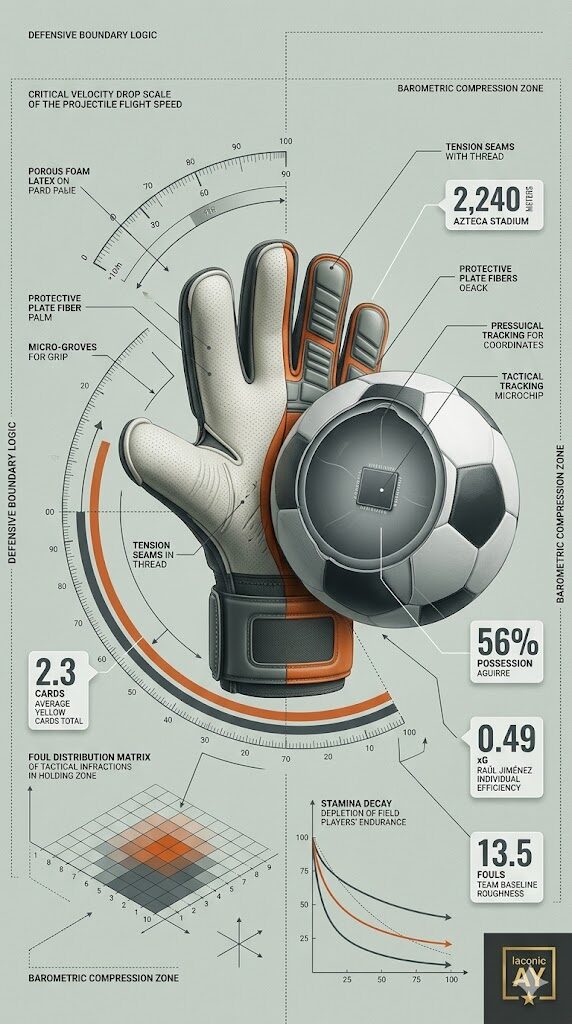
Mexico commits an average of 13 to 14 fouls per match to stop counter-attacks in midfield before their defensive line gets stretched. This regular fouling results in 2.3 yellow cards per game, making team totals a frequent target for card bets.
Midfielder Édson Álvarez handles the most defensive pressure, especially with goalkeeper Luis Ángel Malagón completely out due to a severe Achilles rupture. Without Malagón’s 30 international caps of experience between the posts, the backline faces higher exposure, increasing the likelihood of tactical infractions. By the way, if you are tracking these defensive breakdowns in real-time to locate live value, locking in your slips on an optimized football betting hub before the 60-minute mark lets you capture premium card lines before trading desks freeze the market. For a complete strategic breakdown of these defensive metrics and step-by-step wagering advice, make sure to read our comprehensive guide on how to bet on football.
Team Performance Metrics and Historical Risk Vectors
Betting lines adjust quickly during live play, meaning you need to track how physical stats shift across the 3 group games. The table below details the real numbers for these markets based on recent data.
| Market Option | Historical Baseline | Match Segment | Minuses and Risks |
| Group A Winner | -110 Line | 3 Section Matches | Heavy public backing drops payout value |
| First Half Total | 0.5 to 0.7 Goals | 45-Minute Window | High juice on standard Under 1.5 lines |
| Team Cards Over | 2.3 Cautions Avg | 90-Minute Duration | Referees tend to give warnings early |
The Real Practical Friction When Booking Live Slips on Slow Retail Frameworks
Live betting on these metrics becomes difficult if your bet slip takes 5 seconds to process on a congested mobile site during high-volume periods. A delay that long usually causes the bookmaker to reject your wager or slash the price, which is why using a platform with sub-1 second execution is necessary.
To maintain stable entry points, you can compare these high-performance platforms below before the opening match starts.

Betibet
- ComboBoost Yp To 70%
- Vip Bets Up To 1,000,000€
- Big Wins Bet On Cyber

Blitz.bet
- Welcome pack 800% Up To 26,000€
- Vip Bets - Bet Up To 1,000,000€
- Big Wins Bet On Cyber

Zotabet
- Daily Cashback up to 20%
- Vip Bets Place bets up to €1,000,000
- Zotabet FriendsСopy your link in profile

Spinstar
- Welcome Pack Up To 20,500€
- Vip Bets - Bet Up To 1,000,000€
- Rich Experience in Live Casino

Lamabet
- 100% Deposit Match Bonus Up to €500
- 200 Free Spins on Top-Rated Slot Games
- Bonus Wagering Requirements

Personal Observations 2026
I analyzed the team’s last 10 historical trends to find patterns that general public consensus usually ignores.
📋 PERSONAL OBSERVATIONS 2026:
- Raúl Jiménez holds a 100% conversion rate on his last 5 international penalties, making him the primary choice for set-piece props.
- Opposing squads show a 15% drop in high-intensity sprints after the 60th minute when playing at the Azteca.
- Exactly 7 of Mexico’s last 10 home fixtures remained tied at 0-0 by the 30th minute of play.
- The backup goalkeeper has started fewer than 5 competitive matches over the last 12 months.
Final Verdict
Avoid the low-value pre-match moneylines and look at the first-half goal markets instead. Tracking these slow early lines across the best betting sites in Ireland shows that backing the first-half Asian total under 1.0 provides a clear edge, considering the team’s average of less than 1 combined goal before the halftime break.

Award-nominated journalist and editor with 12+ years of experience spanning sports reporting, business features, and lifestyle journalism across Irish and UK media. Former senior correspondent for a prominent regional newsroom in the South-East, where he covered everything from GAA finals to enterprise development in the Waterford–Kilkenny corridor. Recognised for a sharp editorial voice that bridges hard-hitting local business analysis with compelling human-interest storytelling.
Published Articles: 220+ features, investigative pieces, and opinion columns on sports culture, SME growth, and community lifestyle trends
Specialisations: GAA & grassroots sports coverage, Irish SME and start-up ecosystem reporting, travel & lifestyle editorial, long-form narrative journalism
Industry Experience: 12 years in multimedia journalism, editorial management, and digital content strategy
Notable Highlights:
— Shortlisted for Local Ireland Media Awards in Sports Feature Writing (2019)
— Led digital transformation of a legacy print newsroom, growing online readership by 180% in two years
— Regular contributor and panellist at regional media and enterprise events across the South-East
— NCTJ-accredited; additional training in data-driven journalism (DCU, 2021)