Austria World Cup 2026 Predictions: Rangnick’s Dark Horses & Match Odds
Austria are back at football’s biggest stage for the first time since 1998. After topping their UEFA qualifying group with clinical efficiency, Das Team enters the 2026 tournament as one of the most intriguing mid-tier sides. Coached by Ralf Rangnick, they blend high-intensity pressing with Bundesliga-proven talent and veteran leadership. But with Argentina looming in Group J, the question isn’t just whether they can progress — it’s how far their structured chaos can carry them before reality bites.
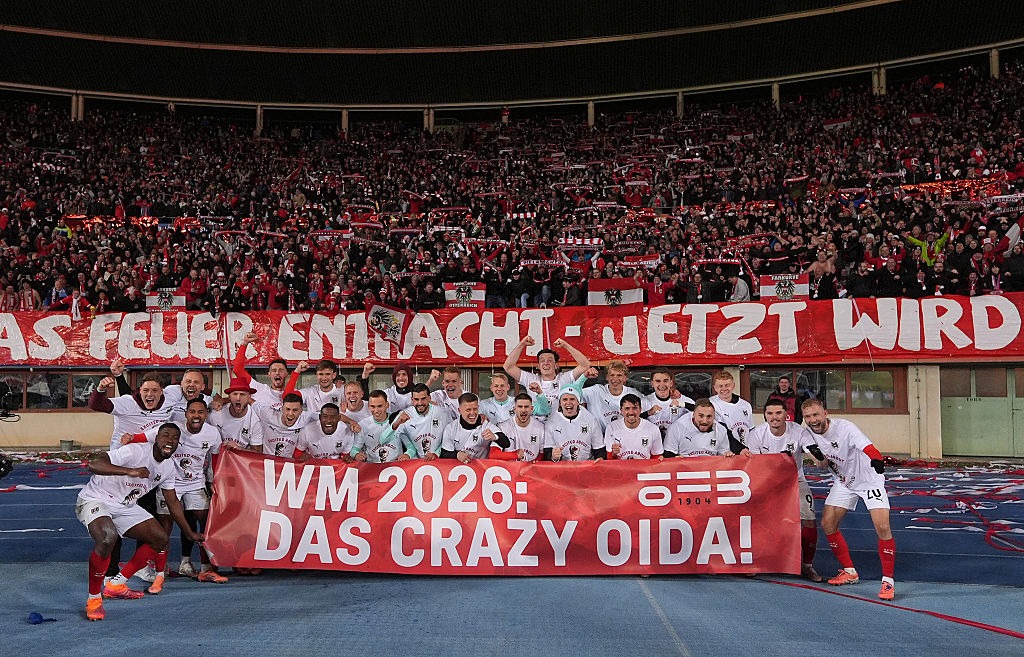
Austria World Cup 2026 squad: Ralf Rangnick’s final selection | FourFourTwo
This isn’t a fairy tale. Austria qualified convincingly but face a brutal group. Their evolution under Rangnick offers genuine tactical intrigue, yet age concerns and squad depth could expose cracks against elite opposition. Here’s the full, no-nonsense breakdown.
Qualification Triumph and Current Standing
Austria dominated UEFA Group H, finishing first with 19 points from eight matches: six wins, one draw, one loss. They scored 22 goals and conceded just four, posting a +18 goal difference. This secured direct qualification ahead of Bosnia and Herzegovina by two points.
Key moments included a dramatic final-day win in Vienna and earlier victories like 2-1 over Romania and 4-0 against San Marino. A late slip against Romania tested nerves, but they recovered to seal the deal.
As of June 2026, Austria sit around 23rd-24th in the FIFA rankings (approximately 1593 points), a solid position in UEFA reflecting consistent improvement. Their best historical finish remains third place in 1954. This marks their return after a 28-year absence — a long wait that has built quiet hunger rather than hype.
Group J: The Argentine Shadow and Realistic Path
Austria face Argentina, Algeria, and debutants Jordan in Group J. Fixtures: Jordan (June 17, San Francisco Bay Area), Argentina (June 22, Dallas), Algeria (June 27, Kansas City).
Argentina are clear favorites to top the group. Algeria offer physicality and experience, while Jordan represent an accessible opener. Experts largely predict Argentina first, with Austria and Algeria battling for second. Austria’s chances of advancing sit around 55-65% qualitatively — strong enough to fancy their chances against Algeria and Jordan, but the Argentina match will likely decide momentum.
The group is tough but not impossible. A win or strong draw in the opener against Jordan is non-negotiable.
To make informed stakes on sporting events like the 2026 World Cup, choose the best football betting sites offering sharp value bets football and premier league betting tips equivalents for global action.

Betibet
- ComboBoost Yp To 70%
- Vip Bets Up To 1,000,000€
- Big Wins Bet On Cyber

Blitz.bet
- Welcome pack 800% Up To 26,000€
- Vip Bets - Bet Up To 1,000,000€
- Big Wins Bet On Cyber

Zotabet
- Daily Cashback up to 20%
- Vip Bets Place bets up to €1,000,000
- Zotabet FriendsСopy your link in profile

Spinstar
- Welcome Pack Up To 20,500€
- Vip Bets - Bet Up To 1,000,000€
- Rich Experience in Live Casino

Lamabet
- 100% Deposit Match Bonus Up to €500
- 200 Free Spins on Top-Rated Slot Games
- Bonus Wagering Requirements
Ralf Rangnick: The Architect of High-Intensity Revival
Ralf Rangnick, the German coach now in his mid-60s, took over Austria in 2022. He has transformed them into a pressing machine, emphasizing Gegenpressing, quick vertical transitions, and zonal organization. Gone are passive setups; Austria now press high and recover the ball aggressively within 10 seconds.
Rangnick prefers a flexible 4-2-2-2 or 4-2-3-1 that shifts dynamically. In possession, they build quickly from the back with full-backs pushing high. Out of possession, compact mid-blocks feed into intense counter-pressing. Strengths: midfield control, set-piece threat, and rapid attacks. Weaknesses: vulnerability to deep defending sides and occasional overcommitment leading to transitions against top teams.
His biggest change? Instilling a “Red Bull” identity across a squad heavy with players from Salzburg, Leipzig, and similar systems. This tactical evolution has made Austria far more than the sum of their parts.
The 26-Man Squad: Balanced but Aging in Key Areas
Goalkeepers: Alexander Schlager (RB Salzburg) is the reliable starter. Patrick Pentz (Brøndby) and Florian Wiegele provide depth. No major injury flags here, but experience varies.
Defenders: David Alaba (Real Madrid, captain) remains the leader despite age and past injury concerns. Kevin Danso (Tottenham), Stefan Posch (Mainz), Philipp Lienhart, Marco Friedl, and others form a solid, Bundesliga-heavy unit. Phillipp Mwene and Alexander Prass add width. Alaba’s leadership and ball progression are irreplaceable.
Midfielders: Marcel Sabitzer (Borussia Dortmund) and Konrad Laimer (Bayern) anchor the engine room. Nicolas Seiwald, Romano Schmid, Xaver Schlager, Florian Grillitsch, Patrick Wimmer, and newcomers like Carney Chukwuemeka and Paul Wanner add dynamism. Christoph Baumgartner’s recent thigh injury is a notable blow.
Forwards: Marko Arnautović (37, Red Star Belgrade) leads the line with experience and finishing. Michael Gregoritsch and Saša Kalajdžić provide options. Arnautović’s hold-up play and Sabitzer’s creativity form the primary threat.
Key players: Alaba, Sabitzer, Laimer. Dark horses: Chukwuemeka and Wanner — binationals who could inject fresh legs and unpredictability.
The squad mixes 28+ average age with youth injections, giving balance but raising questions about late-tournament stamina.
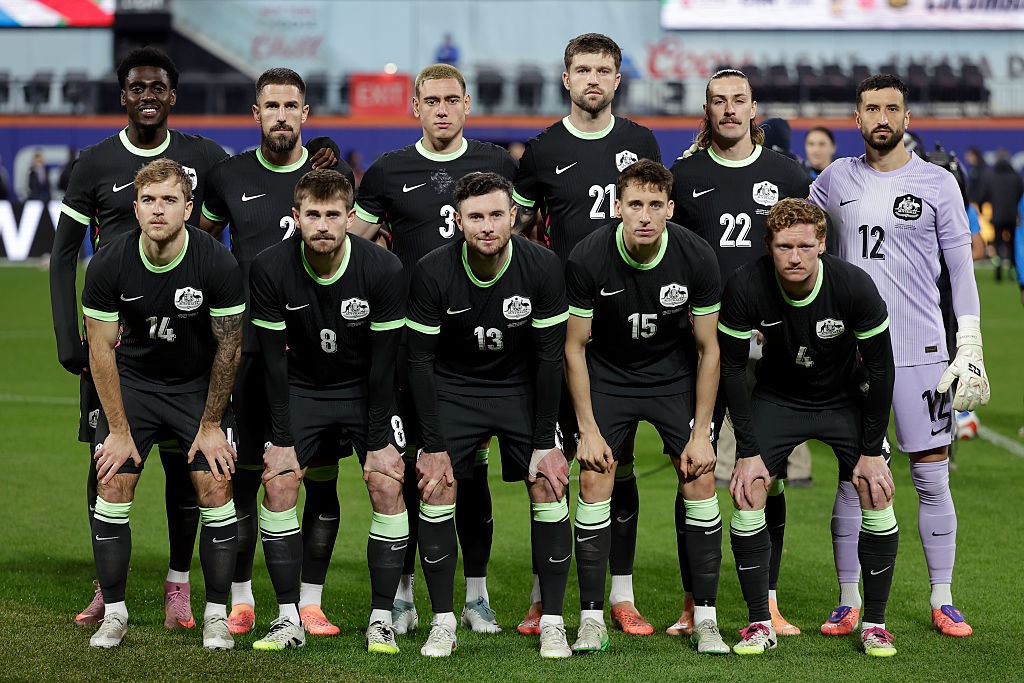
Austria World Cup 2026 squad: Ralf Rangnick’s final selection | FourFourTwo
Injury Concerns and Squad Depth Issues
Baumgartner’s thigh tear is the headline problem, removing a creative spark. Alaba’s long-term fitness and Arnautović’s age require careful rotation. Depth in central midfield looks decent, but full-back cover and pure pace up top could be tested in a high-tempo group. Veteran fatigue remains the unpleasant truth that could surface if they advance deep.
Betting Odds and Market Perception (June 2026)
Bookmakers price Austria as outsiders for the title at around +15000. For group progression, they sit as solid favorites for second behind Argentina (odds around 1/8 to qualify). To win the group: longer shots at 9/2 or similar. They are viewed as classic dark horses — capable of upsets but unlikely to go beyond quarter-finals.
This reflects realism: strong enough to trouble most, but not yet at the very top table.
Expert Views: Respect with Caveats
Analysts praise Rangnick’s organization, the midfield’s work rate, and set-piece prowess. Many highlight their ability to compete physically and tactically with bigger nations. Criticism centers on lack of elite finishing depth and potential exposure against possession-dominant sides like Argentina. Realistic potential: Round of 16 exit at best, with a chance to reach quarters if everything clicks. They are no longer pushovers — but miracles remain unlikely. To see which genuine heavyweights are actually tipped to lift the trophy, make sure to explore our comprehensive World Cup 2026 winner predictions.
Unique Angles: Diaspora’s Impact and Tactical Weaponry
Austria have smartly integrated binationals like Chukwuemeka and Wanner, adding technical quality and different profiles. Compared to 1998, this side is far more modern and cohesive. Rangnick’s high press and quick transitions serve as their signature weapon — lethal on the counter but risky if broken.
For UEFA, a strong showing validates the Nations League pathway and smaller-nation development models. Their set-piece organization and midfield pressing intensity could be decisive in tight matches.
Austria are not here to make up numbers. They enter with structure, identity, and enough quality to punish complacency. Whether that translates into knockout football depends on execution against Argentina’s brilliance and Algeria’s grit. The most cynical truth? They have the tools to surprise — but history favors the established powers unless Rangnick’s machine runs perfectly. Expect intensity, organization, and one or two memorable moments. Anything more would be a bonus.

Award-nominated journalist and editor with 12+ years of experience spanning sports reporting, business features, and lifestyle journalism across Irish and UK media. Former senior correspondent for a prominent regional newsroom in the South-East, where he covered everything from GAA finals to enterprise development in the Waterford–Kilkenny corridor. Recognised for a sharp editorial voice that bridges hard-hitting local business analysis with compelling human-interest storytelling.
Published Articles: 220+ features, investigative pieces, and opinion columns on sports culture, SME growth, and community lifestyle trends
Specialisations: GAA & grassroots sports coverage, Irish SME and start-up ecosystem reporting, travel & lifestyle editorial, long-form narrative journalism
Industry Experience: 12 years in multimedia journalism, editorial management, and digital content strategy
Notable Highlights:
— Shortlisted for Local Ireland Media Awards in Sports Feature Writing (2019)
— Led digital transformation of a legacy print newsroom, growing online readership by 180% in two years
— Regular contributor and panellist at regional media and enterprise events across the South-East
— NCTJ-accredited; additional training in data-driven journalism (DCU, 2021)