

Why Tiredness Shows on Your Face Before Anything Else
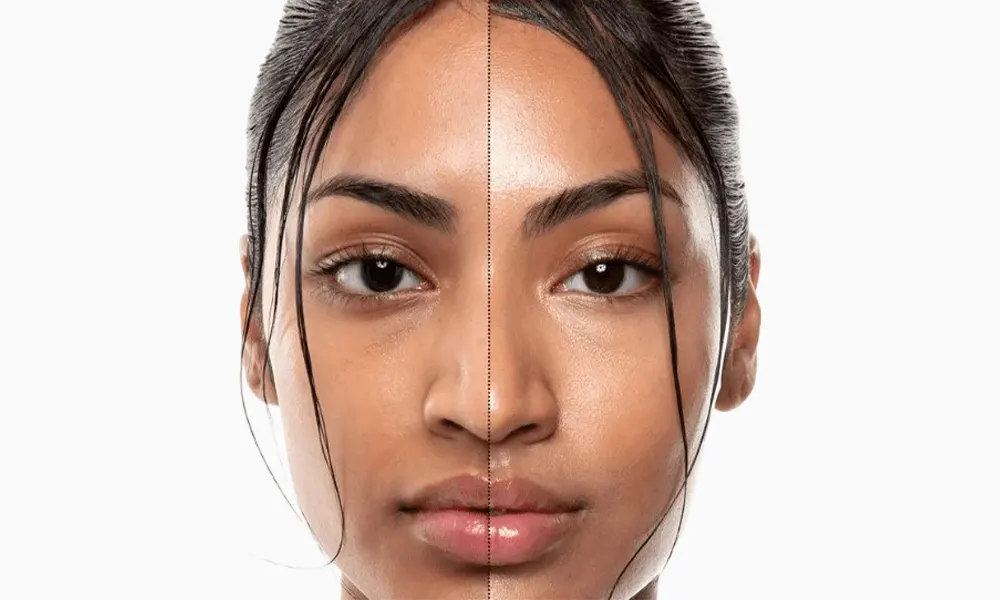
Most people think of fatigue as an internal feeling, but it becomes a visible condition long before it appears in blood work or job performance. Facial skin operates as a real-time indicator of overall health, and sleep deprivation leaves specific, measurable marks on it – dark under-eye circles, puffiness around the eyelids, a dull and uneven skin tone, deeper nasolabial folds, and fine lines that were not visible a few weeks earlier.
Dr Hansel Misquitta, a regenerative aesthetics physician, puts it in direct terms: fatigue does not create new skin problems, it accelerates the ones your face is already genetically and physiologically predisposed to display. Chronic lack of sleep does not invent flaws – it forces existing tendencies to surface ahead of schedule, making you look older and more worn out than your actual biological age would suggest.
Which Areas of the Face Show Fatigue First: Eyes, Mouth, Jawline
The under-eye area betrays sleep deprivation earlier than any other region on the face, and there is a clear anatomical explanation for this pattern. Skin around the eyes is significantly thinner than elsewhere, contains fewer sebaceous glands, and sits directly over a dense network of blood vessels and lymphatic channels. Any shift in fluid balance or circulation becomes visible almost immediately, producing dark circles, puffy lower lids, fine creases, and a slightly hollowed appearance that signals exhaustion to everyone who looks at you.
The mouth corners and nasolabial folds are the next areas to show damage from fatigue. Gravity, repetitive facial expressions, and weakened structural support in the underlying tissues make these zones especially vulnerable when the body operates in a state of chronic tiredness.
Table: Facial Zones Most Sensitive to Sleep Deprivation
| Facial Zone | What Happens During Sleep Loss | Why This Area Is Vulnerable |
| Under-eye area | Dark circles, puffiness, fine wrinkles, hollowness | Thinnest skin on the face, minimal oil glands, dense vascular network |
| Nasolabial folds | Deepening of creases, tissue sagging | Gravitational pull, repeated mimetic movements, weak structural support |
| Mouth corners | Drooping, heavy and fatigued appearance | Loss of muscle tone, lymphatic congestion |
| Jawline | Puffiness, blurred facial contour | Lymphatic stagnation, fluid retention in lower face |
| Mid-face and cheekbones | Volume loss, dull and sallow complexion | Reduced microcirculation, slower cellular turnover |
The Biology of Tired Skin: What Happens Inside Your Body When You Lack Sleep
Despite the dramatic appearance of fatigued skin, the biological mechanisms driving these changes are well-documented and relatively straightforward. When sleep is disrupted or stress becomes prolonged, the body shifts into a state of reduced repair capacity, and the skin registers this downgrade immediately across multiple systems.
Dr Misquitta describes the chain of events with clinical precision. Cortisol levels rise, which disrupts the recovery of the epidermal barrier and triggers low-grade chronic inflammation throughout the skin tissue. Growth hormone secretion drops because its peak release occurs during deep sleep phases, and this means collagen synthesis and tissue repair slow down considerably. Cutaneous blood flow decreases, delivering less oxygen and fewer essential nutrients to skin cells. Lymphatic clearance loses efficiency, so excess fluid and metabolic waste products linger in the tissues far longer than they should.
Dr Munir Somji, a London-based dermatologist and founder of DrMediSpa, adds a critical detail to this picture: sleep disruption directly interferes with the circadian rhythm of the skin itself. During the day, skin performs protective functions – shielding against UV damage, pollution, and oxidative stress. At night, it transitions into repair and renewal mode, regenerating cells, producing collagen, and processing damage accumulated during waking hours. When sleep duration shrinks, this entire night-time maintenance cycle becomes impaired.
Table: Biological Processes in the Skin During Adequate Sleep vs. Chronic Sleep Deprivation
| Biological Process | Normal Function (Sufficient Sleep) | Impaired Function (Chronic Sleep Loss) |
| Cortisol regulation | Drops at night, allowing skin barrier to recover | Remains elevated, disrupts barrier and causes inflammation |
| Growth hormone secretion | Active during deep sleep, drives collagen repair | Reduced output, collagen synthesis slows significantly |
| Microcirculation | Delivers oxygen and nutrients to skin cells efficiently | Weakened flow, skin receives less nourishment |
| Lymphatic drainage | Removes toxins and excess fluid effectively | Sluggish clearance, leading to puffiness and dullness |
| Cell turnover | Active overnight, shedding dead cells and producing new ones | Slowed renewal, dead keratinocytes accumulate on the surface |
| Transepidermal water loss | Barrier intact, moisture retained effectively | Barrier compromised, skin loses hydration faster |
The result is not sudden or dramatic aging but something closer to a pause in routine maintenance – the skin continues to function, but it operates well below its optimal capacity for weeks or months at a time.
Why Good Skincare Fails to Fix Dull Skin Caused by Fatigue
One of the most frustrating aspects of tiredness-related skin deterioration is that it appears despite an unchanged and often expensive skincare routine. The retinol serum is still on the shelf, the vitamin C treatment is applied every morning, double cleansing happens twice a day without fail – and yet the face still looks grey, flat, and visibly exhausted.
Dr Misquitta addresses this contradiction without any sugarcoating: topical skincare cannot override basic human physiology. Reduced microcirculation alters the way light reflects off the surface of the skin, which is the physical mechanism behind that dull and lifeless appearance. Slower cellular turnover allows dead keratinocytes – the cells responsible for producing keratin – to accumulate on the outermost layer of the epidermis, creating a rough and uneven texture. Barrier disruption increases transepidermal water loss, which flattens both the texture and the tone of the complexion.
Dr Somji supports this assessment and points out that dehydration and subclinical inflammation can amplify uneven skin tone and make hyperpigmentation more visible. The products in your bathroom cabinet have not stopped working – the internal conditions they are working under have fundamentally changed, and no amount of layering serums can compensate for a body that is not repairing itself properly overnight.
Where Targeted Treatment Makes the Biggest Visible Difference
Not every part of the face responds equally well to corrective measures when fatigue is the underlying cause. Both dermatologists agree that three specific zones show the most noticeable improvement when treated with the right approach: the under-eye area, the mid-face region, and the jawline.
The under-eye area responds disproportionately well even to small improvements in tissue quality or fluid balance, making it the highest-priority target for morning skincare routines and quick-fix strategies. The jawline and lower face frequently accumulate muscular tension and lymphatic congestion, which creates an effect of heaviness and sagging that adds years to perceived age.
Dr Misquitta draws an analogy with architecture to illustrate her point: you can have a structurally sound building with excellent foundations, but if the exterior paint is peeling and the windows are dirty, the overall impression will still be one of neglect and disrepair. The same principle applies to facial skin – internal structure matters, but surface presentation determines how others perceive your health and energy levels.
How to Look Less Tired Quickly: Dermatologist-Approved Emergency Methods
When time is limited – before an important meeting, a job interview, or the morning after a sleepless night – simple and correctly chosen actions produce better results than aggressive or intensive treatments.
Cold water instead of hot for your morning wash. Dr Misquitta recommends starting the day with cool or cold water rather than warm. Chilled tools such as jade rollers, gel eye patches, or even ordinary tablespoons kept in the refrigerator overnight reduce puffiness and oedema by constricting blood vessels in the skin. No expensive devices or professional equipment is necessary for this step.
Restore the skin barrier before layering active ingredients. The next priority is applying a moisturiser containing humectants such as hyaluronic acid or glycerin, followed by an occlusive layer that seals moisture inside the skin. This two-step combination improves the optical properties of the skin surface far more effectively than stacking multiple active serums on top of each other, because it addresses the root cause of dullness – dehydration and barrier damage.
Gentle chemical exfoliation if your skin tolerates it well. A mild acid-based peel at a low concentration removes the layer of accumulated dead cells and improves light reflection from the skin surface, restoring a degree of natural radiance. Dr Misquitta prefers at-home chemical peels over physical scrubs, because abrasive particles in scrubs frequently cause micro-tears in the skin barrier that worsen inflammation and sensitivity.
What will not produce meaningful results. A single sheet mask provides cosmetic camouflage and a temporary sensation of freshness, but it does not constitute repair or treatment in any clinical sense of the word.
Table: Quick-Fix Methods for Tired-Looking Skin (Ranked by Effectiveness)
| Method | How It Works | Time Required | Expected Result |
| Cold water wash or cold compress | Constricts blood vessels, reduces morning puffiness | 2–3 minutes | Immediate de-puffing, brighter appearance |
| Chilled spoons, jade roller, or cryo tools | Targets under-eye oedema through localised cooling | 5–10 minutes | Reduced eye bags, firmer-looking skin |
| Humectant serum + occlusive moisturiser | Traps moisture, improves how light interacts with skin | 3–5 minutes to apply | All-day hydration, improved skin tone |
| Mild AHA or BHA chemical peel | Dissolves dead cell buildup, reveals fresher skin beneath | 10–15 minutes | Smoother texture, restored radiance |
| Broad-spectrum SPF 30 or higher | Prevents UV from amplifying fatigue-related skin damage | 1 minute to apply | Long-term protection, prevents worsening |
Long-Term Habits That Actually Transform Tired Skin Over Time
While topical products and professional treatments deliver measurable benefits, both dermatologists emphasise that chronically tired-looking skin is fundamentally a lifestyle problem rather than a product selection problem. Solving it requires changes that go beyond the bathroom shelf.
Consistent sleep timing matters more than perfect sleep duration. Dr Misquitta notes that regularity of your sleep schedule affects skin quality more powerfully than chasing a mythical eight-hour target every night. Going to bed and waking up at the same time every day – including weekends – is a more effective strategy for skin health than sleeping erratically and trying to compensate with occasional long lie-ins.
Adequate protein intake and correction of common nutrient deficiencies. Sufficient dietary protein supports the repair and regeneration of skin tissue at the cellular level, while addressing widespread deficiencies in iron, vitamin B12, and vitamin D produces a measurable difference in skin appearance within several weeks.
Reducing alcohol and moderating caffeine consumption. Dr Somji warns that excessive alcohol intake and high daily caffeine doses worsen skin dehydration and cause vascular instability, both of which amplify the visible signs of fatigue on the face and make dark circles and redness more prominent.
Hydrating through food rather than forcing excessive water intake. Effective skin hydration is achieved more reliably through a balanced diet rich in water-dense foods – cucumbers, watermelon, citrus fruits, leafy greens, soups, and broths – rather than through the popular but oversimplified advice of drinking several litres of plain water every day.
Daily broad-spectrum SPF without exceptions or days off. Dr Somji identifies sunscreen as a non-negotiable element of daily skincare because ultraviolet radiation amplifies every fatigue-related change in the skin, from hyperpigmentation and fine lines to collagen breakdown and uneven texture.
Table: Long-Term Lifestyle Factors and Their Impact on Skin Appearance
| Lifestyle Factor | Positive Impact on Skin | Negative Impact When Absent |
| Consistent sleep schedule (same time daily) | Supports full circadian skin repair cycle | Disrupted repair, accelerated visible aging |
| Adequate protein (0.8–1.2 g per kg body weight) | Fuels collagen synthesis and tissue regeneration | Slower healing, thinner and weaker skin |
| Iron, B12, and vitamin D at optimal levels | Healthy circulation, even skin tone, cell renewal | Pallor, dark circles, slow recovery |
| Low to moderate alcohol consumption | Stable hydration, reduced facial redness | Dehydration, broken capillaries, inflammation |
| Water-rich diet (fruits, vegetables, soups) | Deep cellular hydration, plump skin texture | Surface dehydration, flat and dull complexion |
| Daily SPF 30+ sunscreen | Prevents cumulative UV damage to fatigued skin | Photoaging amplifies every sign of tiredness |
The Bottom Line: Skincare Supports the System but Cannot Replace It
Dr Misquitta closes the discussion with a statement that deserves its own section: skincare supports the system, but it does not replace it. Anyone claiming otherwise is selling a shortcut that does not exist in dermatological reality.
Facial skin functions as a mirror of internal processes happening throughout the body, and chronic sleep deprivation inevitably leaves visible marks on its surface. Dark under-eye circles, dull and sallow complexion, persistent puffiness, and premature deepening of wrinkles and fine lines are all signals from the body that it is not receiving adequate time for repair and recovery. A well-formulated skincare routine can soften the external manifestations of fatigue and buy time while you address the root causes, but a complete and lasting solution requires a comprehensive approach: stable and consistent sleep, balanced nutrition with sufficient protein and micronutrients, moderate physical activity, effective stress management, and daily protection from ultraviolet radiation.
The science is clear, the expert consensus is consistent, and the path forward is straightforward – even if it is not always easy to follow.